

Does Beer Lower Testosterone? What the Science Says About Alcohol and T Levels
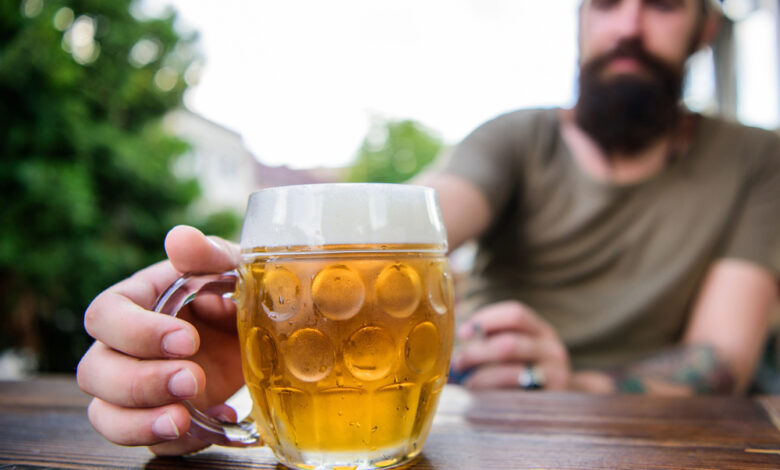
After a long week of work, drinking a cold beer is among the simple pleasures of life. If you’ve noticed that you’re feeling sluggish, a little flatter because you’ve been lacking interest in the gym or the bedroom, however, you might have asked yourself this question: Is my drinking leading me to have lower T levels?
Despite this question’s quick answers, “beer is bad” and “beer is fine” are oversimplifications. A breakdown of the findings.
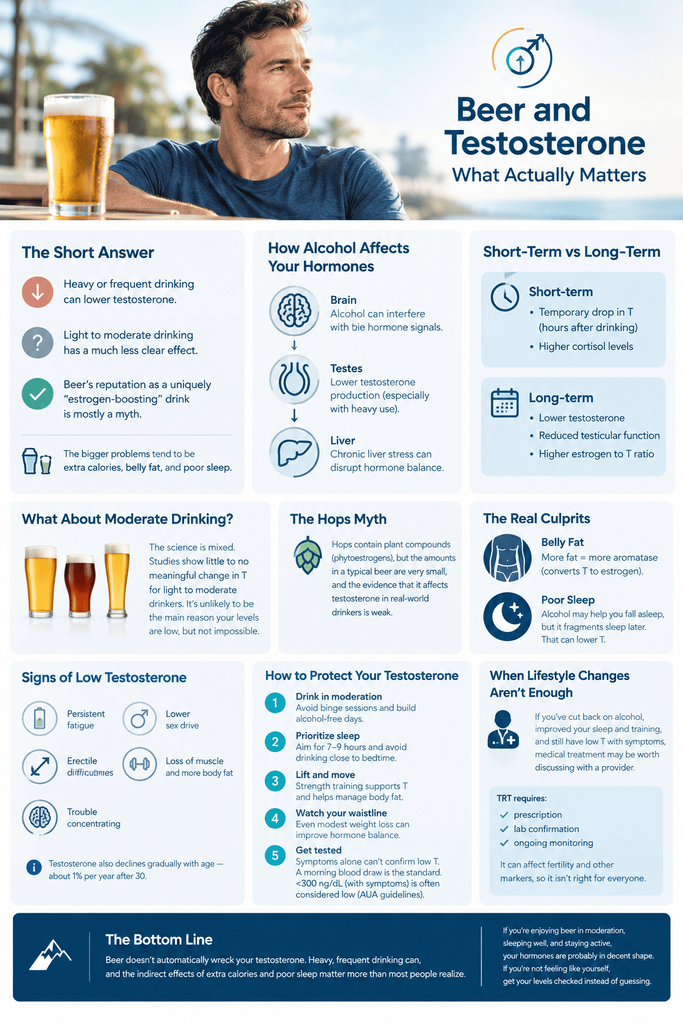
The Short Answer
Excessive alcohol consumption is linked to reduced testosterone, while the impact of light to moderate alcohol consumption is less established and may differ amongst people. Beer doesn’t really have anything to do with “estrogen-boosting”; it’s more of a myth. Though it is OK to have a beer at home or in the beer bars, the larger issues are indirect, such as additional calories, belly fat, and bad sleep.
What Alcohol Does to Your Hormones
There is a series of messages that the brain sends to the testicles to produce Testosterone. There are many places you can screw up in that chain when it comes to booze.
- Short-term: After a period of high alcohol consumption, a man’s levels of testosterone can go down for hours. Alcohol may also impact the body’s stress hormone, cortisol, which can have a connection to the regulation of testosterone.
- Long Term: Heavy alcohol consumption over extended periods of time: Heavy alcohol use over a long period can disturb the production of testosterone and the functions of the testes, and disrupt the balance of reproductive hormones. The Liver is also involved in the metabolism of hormones, and prolonged stress on the liver will further imbalance the relationship.
What About Moderate Drinking?
This is where things become unclear in the scientific realm. A few studies of light to moderate drinkers show little or no significant difference in testosterone levels, and differences are seen with age, weight, genetics, and definitions of “moderate” drinker. If you’re interested in drinking beer without the booze, non-alcoholic beer is available, but there may be other reasons for low testosterone (based on individual reactions). But unlikely does not mean impossible, if there are other factors building up.
What About Hops and Estrogen?
It might be well to have heard that hops contain compounds found in plants (phytoestrogens), which are plant estrogens. Again, this is true of a compound that exists in hops, but is present in minuscule quantities in a regular beer, and there is weak evidence that it affects real drinkers’ Testosterone. It is unhelpful to play the blame game with hops instead of real people.
The Real Culprits: Belly Fat and Bad Sleep
Excess weight. While beer can be a part of an enjoyable diet, the calories can add up quickly if it is consumed in large quantities or often. Testosterone is converted to estrogen by an enzyme found in fat tissue known as aromatase. The more there is, the more it will convert to fat; the lower the level of testosterone, the easier it will be to get fat, and so on. It’s a loop that is difficult to get out of without changing something.
Poor sleep. Testosterone is closely related to sleep, and levels usually increase while you sleep and peak around the morning. Alcohol may shorten the length of REM sleep early in the night and affect sleep later in the night, which can impact sleep patterns. T can get lower if you experience a few bad nights’ sleep.
Signs of Low Testosterone
Low T doesn’t look the same in every man, but common signs include:
- Persistent fatigue
- Lower sex drive
- Erectile difficulties
- Mood changes or irritability
- Loss of muscle and increased body fat
- Trouble concentrating
Testosterone also declines gradually with age, often cited at around 1% per year after 30, so consumption and testosterone levels can become an important consideration as symptoms creep up slowly and are easy to dismiss.
How to Protect Your Testosterone
- It isn’t necessary to completely abandon your beer, but there are some habits you can maintain and make a difference:
- Drink in moderation. Avoid binge sessions, but take in some alcohol-free days.
- Prioritize sleep. Get 7-9 hours of sleep and drink 7 to 9 hours before going to sleep.
- Lift and move. Strength training is great for creating healthy amounts of testosterone while keeping the percentage of body fat low.
- Watch your waistline. Men who have an excess of fat will find that any amount of weight loss helps restore hormone balance.
- Don’t guess, get tested! Low T cannot just be diagnosed on the basis of symptoms. The simple and common method of determining this is by taking a blood sample early in the morning, which is then retaken to verify. Generally, guidelines from the American Urological Association say that it is consistent with low levels of testosterone if one’s total testosterone is below 300 ng/dL and also if they exhibit symptoms.
When Lifestyle Changes Aren’t Enough
If you have decreased your alcohol intake, made better sleep and exercise habits, and your labs still indicate low T levels, with symptoms corresponding, a provider may be able to discuss the merits of medical treatment. Men in the Santa Clarita Valley seeking TRT treatment in Valencia, CA may want to take the time to understand what the treatment involves. It’s worth taking time to learn more before booking a consultation.
Testosterone replacement therapy (TRT) must be evaluated by a medical professional; the appropriate tests must be done, a prescription issued, and the therapy monitored. Not an option for all people, may affect fertility, and other factors like red blood cell count should be measured by a trained provider.
So, Is Your Beer Hurting Your T? The Final Verdict
It’s not beer in general that damages your T levels. Heavy, frequent drinking can, and the indirect effects on men from extra calories and poor sleep matter more than most people realize. Moderate levels of beer drinking, sleep and exercise can help to maintain good health, but alone these cannot be used to identify whether the concentration of testosterone is in the normal range. Speak to a health care provider if having symptoms of low testosterone are a persistent problem.
This article is prepared to give information and should not be used for diagnosis or treatment advice. Discuss with health care providers about your signs/symptoms and treatment options.