

IPA vs. Pale Ale: What’s the Difference?
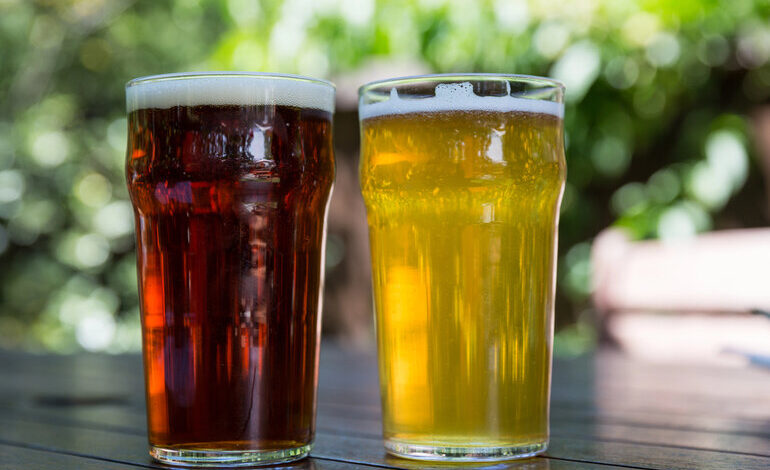
Compared to an IPA, Pale Ale is mellow and well-balanced, while a traditional pale ale is mellow and well-balanced with a focus on the malt instead of the hops. Anyone who has been in front of a tap list, considering whether or not they should have an IPA or Pale Ale, is not alone!
Both styles have a common background, but there are vast differences between the two and how they are consumed. Because they are pale in color, pale ales are known for enhancing the malts and hops to create a well-balanced and approachable beer. The IPAs, however, center on the hoppy side of a brew and are more aromatic, more bitter, and much more alcoholic.
More recently, the split has grown larger as craft breweries boast hazy IPAs, session IPAs, NE IPAs, and the contemporary pale ale, a marriage of multiple beer styles. This has motivated beer enthusiasts to learn that beer, beer culture, and all aspects of it, from speciality glasses to bottle openers to bar accessories from specialist beer companies such as can be found all over the place at Wine-N-Gear.
When deciding which beer style to drink, knowing the key differences between these two varieties can help you select the one that suits your taste.
Key Takeaways
- IPA is a variation of the traditional pale ale.
- Pale ales usually have an easygoing taste, with the different flavors working together nicely.
- An IPA will generally be hoppy, more fragrant, and more alcoholic.
- More innovations in brewing are further merging the two styles.
- Both styles have had a significant impact on the global craft beer scene.
What Exactly Is a Pale Ale?
Pale ale ranks among the most widely enjoyed beer styles around the globe. It was first seen in England in the 1700s, after malting technology had improved to brew a noticeably lighter malt than ever before. Consequently, brewers started to make paler ales than the deep colored stouts and porters of the day.
Today, pale ales commonly feature notes such as:
- Toasted bread
- Caramel
- Honey
- Grapefruit
- Herbs
- Flowers
The defining characteristic of pale ale is balance. Neither the malt nor the hops completely dominates the flavor.
English Pale Ale
Classic English pale ales are known for their earthy character, floral notes, and subtle fruit-like flavors. Classic English hops, such as Fuggle and East Kent Goldings, are often employed by brewers.
American Pale Ale
Known as APAs, American pale ales are usually more hoppy and have a more citrus profile.
What Exactly Is an IPA?
Originally, indian pale ale was brewed from a pale ale from Great Britain. To ensure the beer did not go bad during their long journeys to India, they mixed in more alcohol and hops, making the journey longer. These are flavors that have become famous over the years for their purity, intensity, and unique bitterness profile.
Modern IPAs often showcase flavors such as:
- Orange
- Grapefruit
- Pine
- Mango
- Passion fruit
- Resin
Today, IPA is one of the most popular categories in craft brewing.
The History of IPA and Pale Ale
Indian pale ale was created from a British pale ale. There are certain flavors that have built up a reputation and marked themselves with individuality, strength, and (strangely) bitter flavor over the years.
The similarities and differences between IPA and Pale Ale.
Although hops are the star of both, IPAs take it to the max with high levels of bitterness, aromatics, and drying flavors, while pale ales maintain their profile with a low concentration, freshness, and smoothness.
Hop Intensity
Pale ales tend to be a medium bite – fair bitterness. IPAs are definitely hopping heavy!
Bitterness
The IBU, or International Bitterness Unit, is used to measure bitterness. A pale ale is about a 40- to 200-point IBU pale ale, while many IPAs are over 60 IBU.
Alcohol Content
Generally, this beer style contains around 4.5% to 6.2% alcohol by volume, while IPAs are usually stronger, often reaching the upper end of the 5% to 7% range.
Aroma
Pale ales will often have mild notes of bread, caramel, flowers, and citrus. IPAs tend to have strong hints of pine, grapefruit, tropical fruit, and herbs.
Appearance
Pale ales tend to be a pale gold to amber color. There are a number of styles of IPAs, from crystal-clear New England Brew House to hazy West Coast.
The influence of Hops on flavor
The hops contribute to a beer’s bitterness, aroma, and character. The hop variety is critical to the flavors and aromas of a beer, from fruity, citrus, and tropical hops to more earthy or herbal. That’s why a beer week is a good opportunity to taste a variety of different brews and to glance at how different combinations of hops affect the final product. The most common varieties of hops are the following:
Cascade
Cascade hops possess hoppy qualities of grapefruit, citrus, and floral. Both have played a major part in the evolution of the American craft beer industry.
Citra
Citra hops are famous for their zesty citrus, passion fruit, mango, and grapefruit flavors, and are a widely used variety in juicy unfiltered IPA styles.
Mosaic
That layered flavor of tropical fruit, berry, and citrus has been a thing that has been valued by people in Mosaic.
Simcoe
Pine, resin, earthy, and berry notes are common in Simcoe hops.
Centennial
The lemony and zesty aromas, which also include floral and herbal notes, are derived from hops in Centennial.
Amarillo
Amarillo hops are popular due to their sweet orange, peach, and floral characters. Many modern brewers are also fans of dry hopping, which involves adding hops to a beer after fermentation to enhance the aroma but not the bitterness, particularly for hop-forward beer types as pale ales.
IPA vs. Pale Ale Flavor Comparison
Both types of beer use the same ingredients, but taste completely different.
Sweetness
Pale ales have more “malt sweetness” while IPAs are drier on the palate.
Fruitiness
Generally, the pale ales have more moderate tropical fruit flavours, while the IPAs have higher tropical fruit flavours.
Floral Notes
Many of them have floral notes, but these are found in both styles and are typically less prominent in pale ales.
Citrus Character
This citrus flavor can also be found in both varieties, but is very noticeable in IPAs.
Pine and Resin
Traditional pale ales tend to have more noticeable piney flavors, while numerous “IPAs” focus on more pronounced resinous spiciness.
Finish
Pale ales typically have a nice sharp finish. IPAs are likely to provide more noticeably bitter and lingering notes.
Understanding ABV and IBU
In beer talk, two measurements are commonplace.
Alcohol by Volume (ABV) is the percentage of alcohol in a beverage.
ABV stands for ‘alcohol by volume’ – the percentage of alcohol in the finished product.
International Bitterness Units (IBUs)
The IBU is a quantitative unit of hops tasting bitterness. A key aspect to keep in mind is that everyone feels bitterness in different ways. Beers and other infusions with a higher IBU rating are not necessarily perceived as more bitter due to the contribution that sweetness, carbonation, and aroma make to the perception of bitterness.
Types of Pale Ales
There are a number of styles that are considered pale ale, each with its own unique features.
- English pale ale: Earthy, hoppy ale; Very smooth and rounded with a nice biscuity malt and hoppy malt that’s very balanced.
- American Pale Ale: This type of ale tends to have a moderate level of hop bitterness and fresh hop flavor, rich with American hop varieties such as Cascade, Citra and Centennial.
- Belgian Pale Ale: Moderately spicy and fruity, with a small hint from the special types of yeast that are typically found in Belgian Pale Ale.
- Extra Pale Ale: Brewed with lighter malts, a lightish body that is very refreshing.
Types of IPAs
In the past few decades alone, a multitude of sub-styles have emerged into the IPA category with their own set of features.
- West Coast IPA: Bitter, refreshing pine, resin and citrus taste.
- Fruity Hazy IPA: Has opalescent, juicy, fruity flavors, with mellow bitter highlights, and a meaty body.
- New England IPA: Piney, sweet, and featuring tropical fruit character with low perceived bitterness.
- Use lower levels of alcohol and, as would be typical of the style, high hop levels and hoppy character.
- Double IPA: A wider, hoppier,r and more intense variety of IPA, particularly when the alcohol content is raised.
- Triple IPA: Very strong, heavily hopped,d and a bit more than the standard 5%.
- Black IPA: Dark and very hoppy, with roasted malt flavors, citrus, and pine.
Which Style Is Better for Beginners?
Pale ale is much easier for many individuals to understand since it offers a more balanced profile. Nevertheless, for those individuals who love citrus fruits, tropical fruits, and herbs, starting with an IPA would be better. Trying the two types of beer together is usually the easiest way to choose a preference.
Food Pairings
Both styles pair exceptionally well with food, although their distinct flavor profiles often complement different types of dishes.
Pale ale pairs well with:
- Chips and fish
- Roasted chicken
- Burgers
- Mild cheeses
- Grilled vegetables
The balanced character of pale ale allows the flavors of the food to remain the focus while adding subtle notes of citrus, caramel, and toasted malt.
IPA pairs well with:
- Buffalo wings
- Barbecue
- Tacos
- Spicy curries
- Aged cheeses
Many of the hoppy smells associated with IPAs are strong and bitter, which is why they can balance out the taste of rich, spicy, smoky dishes. Well-made beer, when it is served right and in the right glass, will make all the difference in the world for its smell and taste.
Frequently Asked Questions
Its bitterness is more than just a hop-thing; it’s an ounces-and-pounds equation of types of hops, sweetness of the malt, and timing of the hops. Here are some of the reasons you should consider that your IPA may be quite unusual:
Q: So how is it that some IPAs are not as bitter as others?
A: The flavor variety of an IPA can be influenced by the type of beer, how it is brewed, the type of hops, the type of yeast, and the sweetness/bitterness ratio of the malt. For instance, the hazier, fruit-forward IPA styles tend to have a softer character than the sharper, more bitter versions associated with the West Coast tradition.
Q: Do both Pale Ale and IPAs come in at the same serving temperature?
A: Not necessarily. Pale Ales and IPAs are likely to be at their most palatable between 45° (7°) and 55° (13°). Beer tends to have less aroma and flavor when it’s too cold.
Q: Anything outside of a pale ale is not an IPA?
A: From the period in the past, yes. India pale ale is basically an ale style that is derived from the traditional pale ale recipes. Today, however, IPA is its own style, with its own styles and characteristics (and has become its own brewing style entirely).
Q: Would you prefer to drink an IPA or pale ale in which glass?
Tulip-style glasses, pints, or IPA glasses are highly favored among many beer connoisseurs due to their ability to capture the scents of the brew and retain the head (foam).
Q: For how long have you found IPAs and pale ales stay fresh?
A: The hop flavours and hop aroma break down with the passage of time, and most beermakers recommend that their hop product be consumed within a couple of months after bottling. Beers are stored in cool and dark places to maintain their quality.
Q: Two Styles for one shared Heritage is a family-run business. Two Styles for one shared Heritage is a family concern.
A: Pale ale and IPAs are brewed in the same style of beer, but they have split down different paths. Pale ale truly is the ‘standard’ beer for all those who wish to experience a well-balanced, subtle, but everyday drink of this gem of a beer from Belgium.
The IPA is definitely still a very popular drink for lovers of big tastes, high-level aromatics, and bold drinkers. The best strategy is to create a glass of each of the coffees and determine which of them you prefer.