

Why Exchange Rates Affect San Diego Beer Prices
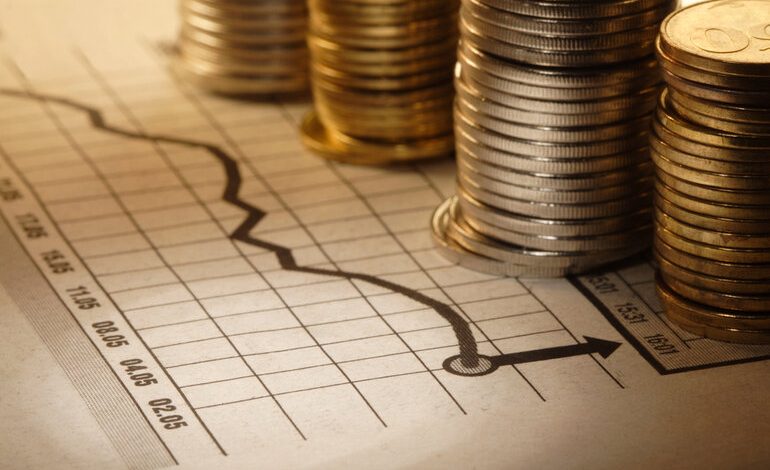
San Diego has one of the best craft beer manufacturing industries! Nevertheless, the retail price of such pints in local breweries does not solely depend on the price of the local labor force and the cost of rent. The effect of the exchange rates on the international transactions means the extent to which the breweries will spend on their brewing components, malt, hops, stainless steel equipment, and aluminum cans. Consequently, the price of beer changes with fluctuations in the exchange rates. This article will describe the impacts of foreign exchange rates on the cost of beer in San Diego.
Currency Rate Fluctuations Influence Brewing Ingredients
The supply chain has an element that can always be foreign to California, even when a beer is made by entirely local employees. Many California breweries rely on international suppliers, sourcing malt, adjunct grains, and hops from places like New Zealand, Germany, and across Europe. In a way, this global dependence mirrors how trading cryptocurrencies operates across borders, with value and availability shaped by markets far beyond a single location.
Additionally, many California breweries purchase their brewing equipment from international suppliers based in Europe and China. When a supplier ships to California from another part of the world, they invoice in their domestic currency. When the American dollar increases or decreases in value against other currencies, the cost of goods sold by those suppliers will increase or decrease.
A Quick Primer on the Foreign Exchange Market
The global market where currencies are traded operates 24/5 and sets the value of currency pairs such as USD/EUR or USD/NZD. The value of currency pairs changes based on supply and demand, interest rate changes, macroeconomic indicators, and worldwide political events that cause currency fluctuations.
If you are looking for a quick and easy explanation of how and why currencies fluctuate in the Forex Market, check CFD trading with AxiTrader LLC. Getting the basics down makes it easier to understand how these movements lead to higher (or lower) beer prices back home. Here are the effects of currency swings on the cost of a pint in San Diego
1. When the Dollar Is Strong
When the dollar is strong, it is easier for US breweries to purchase materials from other countries at lower prices. The actual impact is as follows:
- Prices for imported hops decrease
- The cost of stainless steel fermenters and brew house equipment from Europe decreases.
- Prices of aluminum from Asia decrease on a per-pallet basis
As a result, breweries will have lower production costs, and they can keep their prices stable longer than they would if production costs were increasing.
2. The Effects of a Weak Dollar on Imports
The dollar’s weakness increases the price of imported products, sometimes significantly.
Examples of what happens:
- Specialty hops become more expensive
- Malt sourced from Canada/Europe increases in cost
- The cost of packaging materials and cans increases due to the poor exchange rate.
As a result, breweries will either eliminate some of their prospective profit margin from the increased input cost or choose to raise prices for taproom and distribution sales over time.
Passing Costs Along to Consumers
Breweries typically sign contracts for hops and grains many months or even years in advance. However, if there are fluctuations in foreign currencies between the time of signing and the time those contracts are signed, ingredient prices may drastically increase.
While San Diego breweries might try to delay adjustments to their consumer prices, if the currency remains weak over time, it will likely result in:
- Slightly higher pint prices
- More expensive four-packs
- Increased use of domestic ingredients for seasonal releases
- Smaller batch sizes to mitigate risk
What We Should Do
Exchange rates might not appear to have an effect on San Diego’s beer scene, but they do. Even if it’s imported hops or stainless steel kegs, there’s a direct connection between the global economy and beer costs, which ultimately shapes pouring profits for brewers and distributors. Learning how the currency market works helps explain why some years feel stable while others bring constant price changes.