
The New Standard: How Taprooms Reinvent The Beer Experience
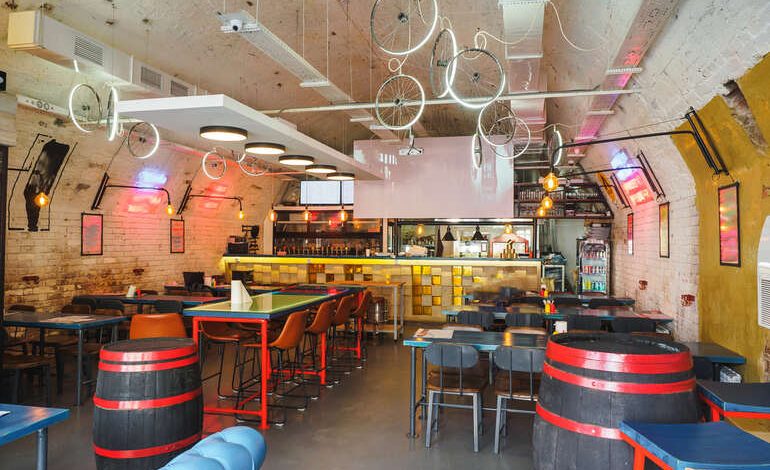
The current craft breweries are changing the way beer is currently being consumed. Dim and solely functional pubs are being replaced by open and well-designed taprooms where people can spend time. These areas emphasize the equal value of ambiance and experience and how beer is consumed even beyond the glass. Breweries no longer remain at production-oriented operations. Most of them today serve as meeting grounds where the beer culture is realized in action. This transition can be considered a larger change in the intersection of hospitality and brewing, with taprooms being the most immediate manifestation of the identity of a brewery.
Design decisions have a purpose. The design promotes dialogue, the lighting creates atmosphere, and the packaging of beer solidifies quality and attention. All these factors combine to produce an atmosphere that is friendly as opposed to transactional. Visitors can remain and look around more when they feel attached to the space and familiarize themselves with the brand. This focus on experience builds successful relationships in the long term with patrons. An atmosphere of a well-designed taproom transforms frequent visits into routines or turns over guests into frequent visitors. In a more and more competitive beer environment, ambience has now become a component of the product, and how people recall the beer and the location in which it is served.
The Immersive Environment Takes Shape
The physical space sets the immediate tone for guests. Modern architects blend industrial aesthetics with warm elements. Stainless steel tanks often sit right next to comfortable seating areas. This proximity connects drinkers directly to the production process. Moreover, the design removes mystery and highlights craftsmanship. Now, open layouts dominate the modern taproom landscape. In the meantime, minimal barriers between staff and guests create inclusivity. As a result, transparency becomes both literal and figurative in these spaces.
Key Design Elements Include:
- Long tables to encourage strangers to start conversations
- Warm fixtures to replace harsh industrial fluorescents
- Wood and stone to balance industrial steel elements.
The Culinary Evolution Transforms Taprooms
The food menu has developed together with the contemporary taproom. The era of few snacks is slowly ending as breweries are realizing the impact that cuisine has on the whole experience. Today, a lot of tap rooms have in-house kitchens managed by talented chefs or a schedule of thoroughly vetted food trucks that fit with their brewing philosophy. It is about the support of the beer and not about the distraction. Brewers engage more with food teams and investigate the interaction of flavors.
Full-bodied, malt-driven beers are matched with rich and lavish desserts, whereas the light styles are matched with fresh and carefully made dishes. These partnerships prompt guests to take their time, savor mindfully, and find something new in food and beer. This strategy will make the taproom more than just a drinking place. Considerate menus mean increased stay and revisitatio,n and the fact that beer should be on the table as much as at the bar is solidified. Consequently, taprooms currently provide eating experiences that are attentive, unified, and immersive, with regard to the beer that is being offered.
How Do Modern Audiences Research Experiences?
The experience begins long before guests enter the door. Modern consumers rarely visit new locations without digital research. They scour apps and websites for tap lists first. It is a given that atmosphere ratings and reviews influence their decisions significantly. Furthermore, people want to know exactly what awaits them. They seek consensus on quality and service standards. This behavior mirrors broader trends in digital entertainment consumption. Very similarly, savvy players visit review platforms to read breakdowns of online titles like ELK slots before they play to learn all the important specs. Likewise, craft beer fans use discovery tools for Saturday nights. They want assurance that time and money bring value. This pre-visit phase proves crucial for hospitality businesses today. Strong digital presence matters as much as physical space.
Technology Streamlines the Service Experience
Once inside, technology reduces friction throughout the visit. Long bar lines become relics of the past. Many venues implement mobile point-of-sale systems successfully. Self-pour walls let staff focus on education over transactions. Therefore, tech integration creates seamless customer journeys. It bridges gaps between traditional service and modern convenience. Digital tools enhance rather than replace human interaction. This balance proves essential for authentic hospitality experiences.
Traditional vs. Tech-Enabled Service Comparison
| Feature | Traditional Pub | Modern Smart Taproom |
| Ordering | Wait at a crowded bar | QR code or mobile POS |
| Payment | Cash or card handoff | Contactless digital tabs |
| Selection | Static printed menu | Real-time digital boards |
| Feedback | Comment cards only | Integrated app ratings |
| Wait Times | Variable and unpredictable | Estimated and managed |
Why Loyalty Programs Drive Success
Digital tools enable deeper customer relationships through data. Simple punch cards have evolved into sophisticated ecosystems. Modern breweries track preferences and frequency patterns seamlessly. This data allows personalized approaches that feel helpful. As a result, customers receive relevant offers and recommendations. The technology creates value for both parties involved. Smart loyalty programs increase visit frequency and spending. They transform casual visitors into dedicated brand advocates.
Effective loyalty strategies typically feature:
- Personalized offers
- Exclusive access to limited-release opportunities
- Rewards that are stored on phones automatically
- Increased tiered perks for frequent visitors
- Birthday specials to receive superior treatment.
Education and Community Build Together
Education remains central to the reimagined taproom experience. Staff members often hold Certified Cicerone credentials now. They guide guests through flavor profiles and techniques expertly. Simple points become opportunities for discovery and learning. Meanwhile, tours transcend basic facility walkthroughs completely. They offer sensory masterclasses with raw ingredient samples. This educational focus builds deeper product appreciation naturally. Casual drinkers transform into passionate brand ambassadors gradually. Community events strengthen these educational foundations further. Trivia nights and charity fundraisers bring neighbors together. The taproom becomes a social hub beyond beer consumption. These connections create lasting value for everyone involved.
The Future of Craft Beer Hospitality
The modern taprooms are uniting aesthetic design, intelligent technology application, and the sense of clarity in terms of hospitality. These areas strike a balance between community building and enhanced food and beverage experiences and represent how the expectations of beer culture are still growing. The craft industry is now reliant on how much the breweries can create the overall guest experience, which is the experience a person gets when they walk through the door until the time they leave with a long-lasting memory of the experience. Breweries that approach the idea of hospitality thoughtfully are likely to shine. Service, ambience, and flow are paid attention to such that the visits are personalized and not transactional. Such experiences promote discussion, sharing, and repeat attendance, making the taproom an extension of the noteworthy brewery’s values. The transformation of the conventional pub model to the modern taprooms is an indicator of a wider change in the craft beer industry. These establishments focus on craftsmanship, relationship, and location, consolidating the social stimulus of beer. To those breweries that see this direction, the future is opportunity based on experience, rather than volume itself.