

How to Match Your Beer Bar Design to Your Business Goals
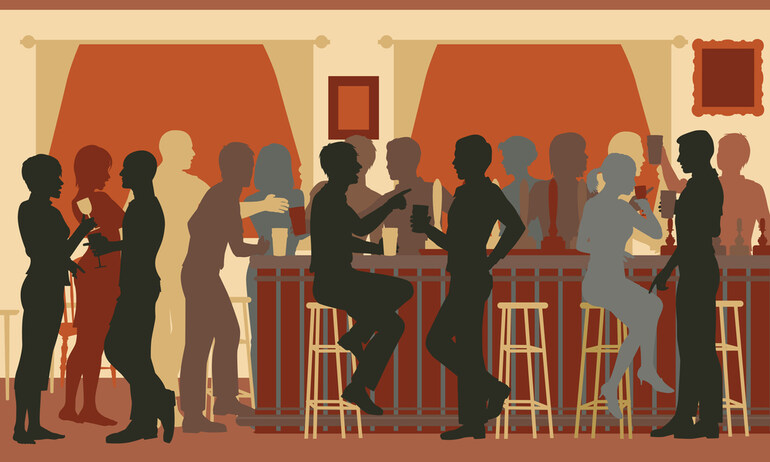
Beer bars are effective when the design helps them to achieve the atmosphere that the owner aims to create. All these details affect how the guests will conduct themselves, their duration, and their expectations of the menu. When bar owners debate design direction, they often compare two dominant styles. One follows the traditional English pub look with dark wood and warm corners. The other embraces the light, metallic, industrial trend that grew in the United States craft beer scene. Both styles come with strong visual identities, clear operational strengths, and different psychological effects on customers.
The bar owners need to know the performance of each design on customer behavior, staffing, acoustics, cleaning schedules, lighting, and beer programs. The design aligns with the brand’s identity and is suited to the local market. Each approach offers advantages when used with purpose. The comparison below breaks down what each style delivers and how owners can reach a clear design decision.
What the English Dark Wooden Style Delivers
The English dark wooden style developed from centuries of pub culture, where community and conversation shaped the environment. Many classic pubs still rely on timber beams, dense wood bars, brass taps, and low ceilings. These elements create comfort for guests who prefer quiet, anchored spaces. On the other side, the American light metallic style grew from modern breweries that wanted open layouts and visible production equipment. Beer halls built with steel, concrete, and glass present transparency and energy. Patrons who enjoy movement and social mixing often respond well to this layout.
The English dark wooden style uses specific materials to shape a slow-paced, grounded atmosphere. Bars that are in this style depend on walnut, mahogany, reclaimed wood, and brass interiors. These materials are aged, and they grow with character. Their colors are natural absorbing ones and not reflective. This assists in providing a warm ambience where the guests are rooted to their seats. Small wall lamps, low-watt bulbs, or warm color temperatures are popular with many owners to ensure an interior that promotes conversation. The seating layout shapes customer behavior as much as the materials. Traditional English bars rely on smaller tables, semi-private corners, and seating that places guests close to one another.
This creates predictable foot traffic patterns. Staff can move between the bar and the tables with fewer disruptions. The confined layout reduces the amount of open space and sets a calm tone. Guests tend to settle in for longer sessions. This matches pubs that serve cask ales, comfort foods, and beers with lower carbonation. Design also influences acoustics. Thick wood absorbs sound and prevents echoes. Conversations remain local to their tables rather than spreading across the room. This helps maintain the intimate feel that guests expect from an English-inspired bar. These acoustics matter for regulars who seek predictability and familiarity.
A Setting Built for Loyalty
The English style also carries a strong visual identity. Old wood, constructed shelving, vintage tap handles, and plain signage enable the owners to maintain a unifying theme without resorting to trendy decorations. The visual load of the wood makes the guests concentrate on the instant environment, and not on the scan of the room. Pubs that succeed with this approach usually aim for loyalty-based business rather than fast turnover.
The owners are also to take into consideration the realities of the operation of this design. Dark wood should be cleaned and refinished after a period of time. Spills show less, but scratches and dents accumulate over time. Lighting fixtures require careful positioning so the bar does not become too dim for staff who need to read labels and pour drinks. The density of the materials also increases the cost and installation time. Despite this, owners who want a sense of tradition and a calm interior often find the investment worthwhile.
The English design supports bars that focus on long stays, storytelling menus, and regular clientele. It works best in neighborhoods where guests arrive for conversation rather than rapid social activity. When the brand strategy depends on depth and consistency, the dark wooden interior aligns well with the target audience.
What the Modern Light Metallic American Style Offers
The modern American style developed in parallel with the rise of craft breweries and industrial loft conversions. Most of the initial breweries converted factories and warehouses. This formed the design language, which is based on open ceilings, exposed beams, stainless steel tanks, polished concrete floors, and huge windows. This style eventually found its way out of breweries into urban beer bars and tap rooms. This style uses high visibility as a core element. Light bounces off metal surfaces and brightens the entire space. The room can be scanned by the guests within a short period of time, thus adding some form of movement. Bars also have tables, long benches, or high tops to seat many people in order to promote informal communication. This is an openness that is favored by young crowds. Groups that want to socialize across tables or move between the bar and standing areas respond well to the layout.
The metallic interior also changes acoustics. Hard surfaces reflect sound. Music has viral characteristics, and discussions become louder. Other owners introduce acoustic panels in order to make the room softer, yet most of them prefer not to alter the vibrant sound profile as it fits the brand identity of a contemporary beer hall. Guests expect energy rather than quiet discussion. Lighting decisions in this environment focus on brightness and clarity. LED lights, white walls, and exposed bulbs create a clearly visible bar area. This helps highlight beer lists, branded taps, merchandise displays, or open kitchen stations. The style supports bars that rotate seasonal beers, experimental brews, or collaboration lines. Transparency helps guests trust the product and interact with staff members who recommend new releases.
Designed for Flow and Volume
The material choices also support daily operations. Metal and concrete clean quickly. Staff can wipe spills with minimal effort. Floors withstand heavy foot traffic. Chairs and tables resist scratches. Many owners choose this style because it reduces maintenance over time. The simplicity of the furniture also speeds up service because staff can move items with less effort. However, the modern style has challenges. The bright interior may feel cold to guests seeking intimacy. Long communal tables can limit privacy. High stools create difficulty for older or shorter guests who struggle to climb into position.
The acoustics can become overwhelming for customers who want a quieter drink. Owners must balance visual identity with accessibility and comfort. Bars that are based on rotating beer taps, tasting flights, open events, and the high-traffic flow of customers are likely to be successful with the American approach. The style is suitable in cities with a high number of pedestrians, a younger age group, or those with a high culture of craft beer. The open design provides an impression of movement and encourages visitors to taste the new products.
Customer Behavior Differences in Each Design
Customer behavior shifts dramatically between the two styles. The English dark wooden interior shapes a slow-paced visit. Guests settle into their seats, order food or multiple rounds, and engage in conversation at a steady rhythm. Groups behave as cohesive units, and individuals feel comfortable drinking alone. Regulars often choose the same table because the design supports habit formation. This structure supports bars that want predictable revenue from returning guests. The American metallic interior produces faster movement. Guests circulate between tables and the bar. Standing groups form naturally in open spaces. Most people stay for shorter periods because the bright room signals activity rather than relaxation. Bars that want high turnover benefit from this behavior. Changing menus in a season and beers with a limited release appeal to the customers seeking a change of flavour and not routine.
The age is also significant. The tendency of older guests to the English style is explained by the fact that these practices correspond to decades of drinking. The younger audiences are more attracted to the American style since it is easy to use and has been used in breweries, taprooms, and on social media. Families may prefer the brighter interior because visibility helps parents monitor children during daytime hours. Spending patterns shift with the environment. Guests in wooden interiors tend to order food, large-format beers, and drinks with longer consumption times. Bars with metallic interiors perform well with tasting flights, small pours, and rapid circulation of new releases. Noise levels influence these behaviors. Quiet spaces promote calm drinking and long conversations. Loud rooms encourage quick orders and faster consumption.
Group size also affects the match between design and customer behavior. Small groups appreciate the intimacy of dark wooden seating. Large groups gravitate to the open space of metallic bars where they can gather without blocking walkways. This balance determines how owners should plan events, live music, or themed nights. These behavioral differences give owners insight into which design fits their goals. A bar that wants to build a base of loyal regulars will look closely at the English model. A bar that wants rapid turnover and a rotating customer base will study the American approach.
Operational Considerations Most Owners Ignore
Design decisions for bars depend on more than atmosphere. Daily operations become easier when the interior matches the workflow. The English style with dark wood requires a cleaning routine that fits a slower night. Wood absorbs spills and needs attention. Staff must check for scratches and moisture buildup. Brass fixtures require polishing. Dust collects quickly on carved details. These tasks add labor time but contribute to the interior’s long-term character. Lighting also becomes a challenge. Low light makes the guests feel comfortable, but makes the staff go at a slow pace to read the menus, clean up the table, or carry trays. Owners are required to strike a balance between ambience and functionality without losing the quality of service. Bars that serve food must account for the fact that dim light changes the perception of color and presentation.
The American metallic style reduces many of these concerns. Concrete, metal, and glass resist stains. Staff can clean faster during peak hours. Bright light helps them identify spills quickly. Open layouts reduce the risk of collisions during busy nights. However, the openness also creates challenges. Staff must manage large groups moving around the bar. Noise levels can make communication difficult. Temperature control becomes harder in open rooms with high ceilings. Durability plays a major role in long-term costs. Wood requires refinishing. Upholstered chairs eventually wear down. Metal and concrete outlast them with less intervention. This influences budget planning for renovations. Owners who want to lower long-term maintenance often choose the American style because the materials age without needing cosmetic repairs.
Furniture also affects workflow. High-top seating speeds up turnover but reduces comfort. Low wooden tables support long stays but occupy more floor space. The design must reflect the bar’s revenue model. A quiet bar with traditional seating may invest in heavier furniture. A modern taproom may favor lightweight options, including restaurant bar stools that fit easily along communal counters. Another operational factor is temperature. Wooden bars retain warmth and maintain a steady climate. Metallic interiors heat quickly and cool slowly. Bars with poor insulation must address these shifts so customers remain comfortable during seasonal changes. Owners who take these operational realities seriously can pick a design that supports both staff and customers. The comparison between the two styles reveals how materials, layout, and lighting influence the daily rhythm of the business.
How to Decide Which Style Fits Your Bar’s Identity and Market
Owners reach clearer decisions when they evaluate design through the lens of their brand identity. Every bar has a purpose that goes beyond selling beer. Some bars want to represent tradition. Others want to highlight innovation. The design must align with that purpose. The English style fits bars that want to create loyalty, stability, and quiet comfort. The American style fits bars that want dynamism, visibility, and fast turnover. The target demographic should guide the decision. The modern metallic style can be more natural if the neighborhood appeals to young professionals, students, or people who like craft beer. Such guests want to see seasonal taps, open areas, and modernized images. If the bar sits in a residential area with an older audience or long-standing community traditions, the English style may bring more value.
Beer programs also influence design. Traditional ales, stouts, and ciders pair well with dark wooden interiors because the environment supports unhurried drinking. Spinning taps, sour beer, and experimental brews are in line with the American industrial environment, with novelty keeping people occupied. Other things that should be taken into consideration by bars that may wish to host tasting, trivia, or live music are how each style will facilitate the movement of the crowd and acoustics. Owners do not need to choose one style without variation. Some bars mix elements from both. Wood accents can warm a metallic room. Industrial lighting fixtures can modernize a wooden interior. The key is consistency within the visual narrative. Mixing without intention creates confusion. Mixing with purpose produces an original identity.