

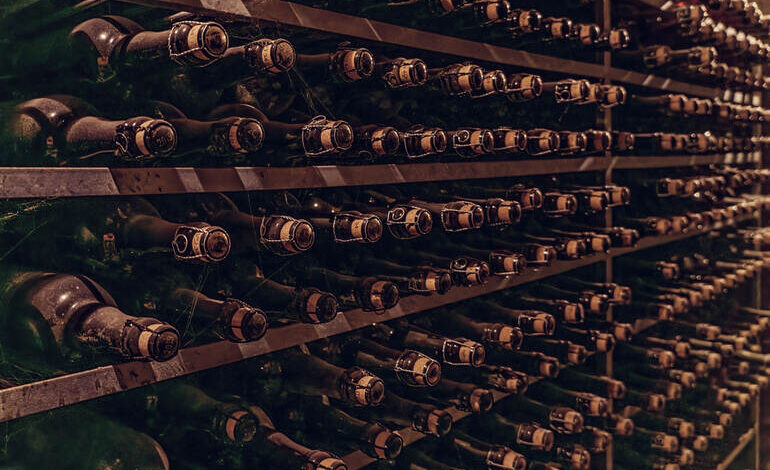
Homebrewing enables some beer styles to acquire flavors through aging. Much like collectors who use large cigar humidors to preserve premium cigars, beer drinkers require proper conditions for storage. Such care of the environment will be useful to both collections, but the needs of each will vary.
How Aging Changes the Flavor and Character of Beer
There are chemicals in beer that transform during storage. While in storage, chemical reactions slowly affect its aroma, flavor, taste, and overall character.
- Oxidation is of special significance: Too much oxygen may result in flavors of cardboard or staleness, and too little can cause brewer’s haze or pick up a dried fruit/caramel/nut/sherry taint.
- These depend on the recipe: A blonde barleywine can become better balanced, with gentler elements, as the sharpness of these elements abates during the aging process. In the meantime, the delicate lager may lose the crispness that makes it enjoyable.
- The bitterness and aromas in hops also alter during storage: When taken as a result of these fresh hop attributes declining, malt flavours can become more prominent. Sometimes the residual yeast activity can also add to development in a bottle-conditioned beer.
- Beer doesn’t necessarily get better as it gets older, but it does: At the collector level, it is useful to understand what these transformations are in order to determine what flavour might be present and what properties may be missing.
Choosing the Best Beers for Aging
Not every beer belongs in long-term storage. Certain beer styles are better suited for aging because their flavor complexity, alcohol content, acidity, or other factors provide a sense of interest in the maturing process.
Beer Styles That Benefit From Aging
Collectors enjoy strong, malt-forward, and some mixed-fermentation beers. Consider these styles:
- The dark roasted malts, chocolates, coffees, and dark fruits may evolve and blend with time in imperial stouts.
- Barrel-aged stouts: Some become more layered with roasted malt, oak, vanilla, and spirit flavors.
- Barleywines: Strong ales can give rise to more caramel, toffee, and dried fruit flavours.
- Strong ales from Belgium: some have unique characteristics brought by the yeast and develop during maturation.
- Sour and wild ales: If mixed-fermentation beers are made and contain the requisite microbes and are packaged in the correct method, then they are a possibility of developing unique flavors.
Beers That Are Better Enjoyed Fresh
Styles that are aimed for freshness, such as Kingston, for example, are not really the best styles for long-term storage. Dry hops are known for their characteristic hop aroma, which is often lost in IPAs, especially under the heavy-dry-hopping category. There are also a host of light lagers and wheat beers that are better enjoyed shortly after casking. Read the guidelines for when the brewery suggests drinking the beer before choosing bottle sizes for storage.
How to Store Beer for Long-Term Aging
Even beers with excellent aging potential can deteriorate under unsuitable conditions, as storage conditions influence beer aging. A cool basement or a storage room in the house or a temperature-controlled cabinet might be an alternative to a dedicated beer cellar.
Maintaining the Ideal Beer Storage Temperature
Too much heat will speed up a chemical reaction and can result in loss of desirable flavor, along with gain of undesirable properties. To preserve an appropriate storage environment for beers:
- Keep the right temperature: There are a few good starting points for most of the cellar-worthy styles: around 52-55°F. However, make sure to check what the brewery recommends!
- Don’t change the temperature: Aging under uniform conditions will create more steady flavors in long periods of aging.
- Place bottles in an appropriate location: away from heaters and appliances, exterior doors, and radiators. Consider using temperature-controlled storage if seasonal fluctuations are large.
- Measure temperatures: Use a thermometer to measure temperatures and record a temperature time history.
Managing Light Exposure, Humidity, and Bottle Positioning
Beer quality and packaging conditions can be affected by ambient light, humidity, and the position in which bottles are stored. Fortunately, there are cellar options for everyone, from simple home storage setups to more specialized spaces designed to maintain consistent conditions. Consider these practices:
- Keep bottles out of light: UV light can interact with hop compounds, resulting in an unpleasant aroma, especially in clear or green glass bottles that hold beer. Utilize dark cabinets, covered shelving, or beverage cooling units that enclose the basket.
- Don’t get it too damp: Too high humidity can cause a natural cork closure to become distorted, and too moist can lead to the growth of mold and damage labeling. When it comes to their humidity requirements, bottled beer isn’t as particular as cigars.
- Store bottles on their side: This will allow sediment to settle in the bottle and will minimize contact with bottle caps or lids. Use cork-sealed bottles or follow the instructions of the brewer.
- Rethink handling: As much as possible, avoid handling bottles while they are being stored.
Organizing a Home Beer Cellar as Your Collection Grows
Getting a lot of beer is hard to maintain, particularly when the front labels of some bottles are identical. An organized system makes everything easily accessible.
Categorize and Track Your Bottles
Organize and categorize beers by style, brewery, or suggested opening date. Keep a list of all the beers on a spreadsheet or notebook that includes the beer’s name, vintage or packaging date, alcohol content, storage location, and eventually their planned tasting date. The fact that these records assist when comparing beer releases from the same brewery is helpful as well.
Make Room for Future Additions
For multiple bottle sizes, use adjustable shelving to accommodate different shapes and dimensions. Arrange bottles so they are easy to access, leaving enough room for future additions. Keep your collection organized and pay attention to factors such as light and freshness, as both can affect how well beer ages over time. A well-maintained inventory also makes it easier to spot errors in your records and identify which beer types and vintages you have already tried.
How Long Should You Age Beer?
The duration of aging will depend on the style, ingredients used, packaging, and storage. Certain strong ales change in a manner that becomes discernible in a few months, and other changes become evident in years. Instead of a predetermined timeline to add up to the beer’s flavor, collectors are encouraged to do “tasting experiments” to determine what, exactly, happens to these specific beers, in order to learn about the process.
- Purchase new tasting: Open one bottle right after buying it to get a reference of how it tastes. Should you notice any changes, this is a sign of spoilage.
- Make age comparisons: Sample another bottle after six months and a third after one year to see how they change.
- Make tasting notes and document contrasts between aroma, sweetness, bitterness, carbonation, mouthfeel and general balance.
- Modify your beer program: If you can tell that ageing isn’t necessary, you might want to bring along a few of the newer ones. Tweak your beer program: If you see that you need to shed another year or two from some of your older beers, you may have to adjust your schedules.
When doing comparisons, it is better to compare purchase rates of different bottles from the same release to understand the actual value of each purchase. Have the samples at the same temperature (as nearly as possible) and use the same kind of glasses for a fair tasting experience. You can even take inspiration from tasting experiences at places like Modern Times Pub when exploring how different beers develop over time. It may well turn out that a barrel-aged stout becomes richer and better tasting after a year, while a special sour beer is best enjoyed fresh. Ultimately, the ideal aging time is the one that suits your taste.
Common Beer Cellaring Mistakes to Avoid
Even savvy brew lovers can overlook things that can negatively affect beer. Here are some common errors to look out for:
- Let’s just say, for argument’s sake, if all good beers age well, then there will be some good low alcohol beers that age well, too. Consider ingredients, packaging, and flavor notes.
- Failure to check bottle condition: Check the bottle on a regular basis for leaks, missing bottles, or unusual increase or decrease in fill.
- In the cabinets, it is possible that there is unequal temperature or that cabinets can be cold when storing in a refrigerator.
- As in visits to breweries: Some beers have long drinking windows vs others have shorter drinking windows.
When buying older releases, also take into account how well the bottles have held up. Beer that has been subjected to very hot temperatures or inadequate storage may fail to mature properly after being moved to a proper cellar.
Making Patience Part of the Beer Collecting Experience
Cellaring beer is a new way to enjoy a beverage and is a great way to see firsthand how familiar tasting brews change over time. With each tasting, there is the chance for discovery, even if a bottle opens up with surprising qualities, or it offers a memorable occasion to share with other lovers of the craft. When you taste different beers side by side, it can become much more than a tasting; it can become a discussion about the evolution of beer.
Beyond flavor and aging, the effects of beer consumption on testosterone are another aspect of beer consumption worth exploring. As a whole, a satisfying collection isn’t defined by the number of bottles or when they were first born, but by what they offer to the visitor’s experience and discovery. By taking a few steps for careful brew collection, correct storage, and time, home cellaring can be an enjoyable way of enjoying different and unusual beers.