

Brno Beyond Pilsner: Hidden Breweries and Outstanding Tank Beer
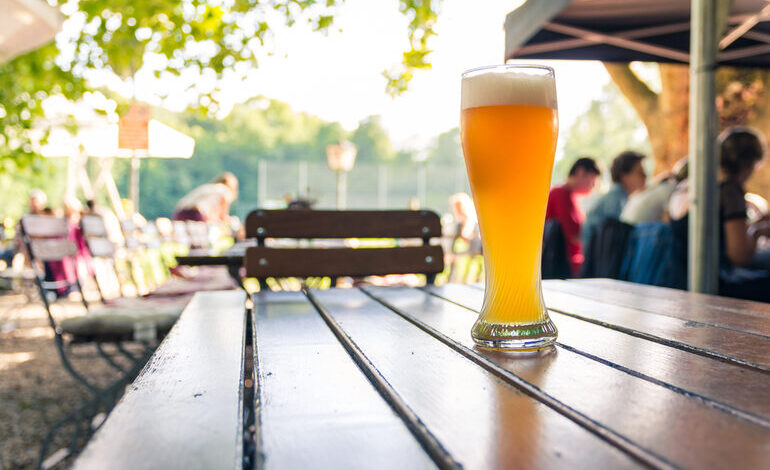
Brno rewards beer drinkers who leave the most visible route. The Czech Republic’s second-largest city has famous lager halls, but its stronger attraction lies in the variety packed into its neighborhoods. Each area brings its own rhythm, from historic streets and lively squares to relaxed spots where locals gather over a well-poured beer. That mix makes Brno an inviting place to explore on foot, with its beer culture fitting naturally into the city’s broader social and culinary scene. A visitor can drink unpasteurized Starobrno beside the brewery, try Budvar from a tank in a residential district, sample beer made inside a former slaughterhouse, and finish with small-batch ales from across Czechia. Those experiences reveal a city with its own beer identity rather than a smaller version of Prague. Brno’s beer culture also resists a simple “best pubs” ranking. Freshness depends on storage, turnover, clean lines, glass care, and the person working the tap.
A technically advanced tank system cannot rescue neglected equipment, while a busy neighborhood pub can serve exceptional keg beer through a well-maintained side-pull faucet. The right question is not only which label appears above the bar. It is how the beer travels, how the pub handles it, and even if local customers drink enough to keep it moving. This guide follows those details through Brno’s tank pubs, brewpubs, and less obvious beer bars. Pilsner Urquell appears as a useful benchmark, not the main event. Starobrno, Budvar, Radegast, Hauskrecht, Lucky Bastard, Moravia, Harry, Pegas, and smaller regional breweries provide the wider story. Tap contracts and opening hours change, so visitors should check each venue’s current listing before crossing the city for one beer.
What Tank Beer Means – and What It Does Not
Tank beer describes a delivery and storage system rather than a beer style. A brewery sends fresh beer to a high-volume pub in a temperature-controlled tanker. At the venue, the beer enters a sealed food-grade bag held inside a stainless-steel tank. Compressed air presses against the outside of the bag, pushing beer toward the tap without touching the liquid. The beer remains protected from oxygen while stored at a controlled temperature. The system suits breweries that can supply large quantities and pubs that sell them quickly. Czech tanks commonly hold several hundred liters, so a venue needs steady demand. Slow turnover defeats the central purpose because freshness declines with time even when the beer never contacts air.
A small independent brewery may make superb lager yet distribute it in ordinary stainless-steel kegs because installing and supplying tanks would make little commercial sense. Unpasteurized tank beer often tastes softer and more integrated than the packaged version of the same brand. Pasteurization extends shelf life by using heat to reduce microbial activity, but the process can slightly alter aroma and flavor. Tank beer usually travels a short, cold route from the brewery and avoids that heat treatment. Drinkers may notice a rounder malt character, livelier aroma, or gentler carbonation, although recipe, age, and service still shape the final glass. Keg beer can equal or beat a tank pour when the pub treats it properly. Modern kegs protect beer from oxygen, and smaller containers may move faster in venues with moderate traffic.
A careful publican who cleans the lines, stores kegs cold, and serves each one promptly can deliver excellent results. Tank status therefore deserves attention, but it should never become an automatic quality award. Czech pouring technique adds another variable. The familiar hladinka places a thick cap of wet foam over a full serving, usually poured in one continuous action. A šnyt contains a smaller amount of beer beneath a generous head and works well as a short tasting pour. The foam-heavy mlíko tastes unusually creamy and is often ordered near the end of an evening. These pours use foam to influence texture, aroma, and the release of carbonation rather than treating it as wasted space. Glass care provides the easiest quality check.
Reading the Room
A bartender should rinse a clean glass with cold water immediately before pouring, which cools the surface and helps foam form evenly. Look for compact, glossy foam without large collapsing bubbles. Dirty patches or streams of bubbles clinging to the glass can indicate grease or residue. A sour, stale, or papery aroma warrants another glass or another pub, regardless of the equipment behind the wall. Turnover provides another useful clue. A room filled with local regulars may look less polished than a central beer hall with menus in several languages, yet the busy tap often serves the fresher beer. Reserved signs on restaurant booths and well-worn tables may simply show that the same customers return every evening. Watch what they order, how quickly the bartender works, and even if one beer dominates the room.
Brno’s Tank Beer Beyond Pilsner Urquell
Pivovarská Starobrno on Mendlovo náměstí offers the logical first reference point. The restaurant stands beside the Starobrno brewery in the district of Staré Brno, connecting the glass to the city’s best-known producer. Its tank beer gives visitors a chance to judge Starobrno as a fresh local product rather than a bottle taken from a supermarket shelf. The setting also makes an easy stop after visiting the nearby basilica, Mendel Museum, or Augustinian abbey. Starobrno’s position in the city can provoke strong opinions. Some drinkers dismiss it because Heineken owns the brewery, while others value it as an everyday Moravian lager with deep local roots. A useful guide should avoid turning ownership into a shortcut for flavor.
Order a properly poured tank lager, note its malt sweetness and bitterness, and compare it later with smaller producers. Direct tasting produces a more informative judgment than brand loyalty. Hostinec U Čoupků provides a more residential version of tank Starobrno. The pub states that its unpasteurized beer arrives directly from the brewery and remains protected from air during transport and storage. Its appeal comes from the neighborhood rhythm as much as the tank. Visitors encounter a local hostinec rather than a showcase designed around the brewing system, making it a strong choice for anyone interested in how Brno residents actually use a pub. U Čoupků also demonstrates why food and beer should be considered together. Czech lager developed as a social drink consumed over time, often beside straightforward dishes rather than a formal tasting menu.
Roast meat, goulash, fried cheese, or a daily special can soften bitterness and reset the palate between pours. Pairing a beer with a full meal also gives the experience a slower rhythm, which matters when a half-liter remains the standard serving. The food becomes part of the occasion, adding balance to the glass without taking attention away from the character of the beer itself. Restaurace U Trávníčka expands the route beyond Brno’s hometown brand. Budějovický Budvar has identified the venue as a Brno address for tank Budvar 33, along with Budvar Original and alcohol-free options. Budvar 33 emphasizes bitterness more strongly than many mainstream Czech lagers, with the number referring to its stated bitterness level. The tank version gives drinkers a useful comparison with sweeter or rounder local lagers.
Exploring Beyond the Core
U Trávníčka requires more planning than a central stop. Its location makes sense for travelers willing to use Brno’s public transportation rather than limiting themselves to the historic core. That small effort changes the character of the trip: fewer tourists, more local groups, and a stronger connection between the pub and its district. For visitors comparing different brewery venues, this kind of neighborhood stop can offer a more grounded view of Brno’s drinking culture. Check the current tap list before departing, since even established brewery relationships can change. Tusto Titanium has been associated with tank Radegast and skilled tap service.
Radegast’s identity centers on a firmer, more direct bitterness, making it another useful counterpoint to Pilsner Urquell, Starobrno, and Budvar. Historical claims about being Brno’s only tank Radegast should not be treated as permanent, however. Pub contracts, brands, and equipment change, and an old promotional page may remain online long after the offer has shifted. Verification should become part of any beer trip. Check the venue’s official website or recent social posts on the day of the visit, then call if the specific tank beer justifies a long detour. Ask a simple question: “Máte dnes tankový Radegast?” or substitute the relevant brand.
The phrase means, “Do you have tank Radegast today?” Staff may speak English, especially in central Brno, but a short Czech question removes ambiguity. Pilsner Urquell still deserves one controlled comparison. Hladinka a Šnyt, Lokál U Caipla, and Stopkova Plzeňská Pivnice are known for treating the brand as more than a default tap. One small glass can help visitors compare foam texture, bitterness, temperature, and carbonation against the other lagers on the route. The exercise works best when Pilsner acts as a reference rather than consuming an entire evening that could reveal Brno’s broader selection.
Breweries Behind Courtyards and Industrial Walls
Parní pivovar Hauskrecht provides Brno’s most atmospheric brewery setting. Brewer Petr Hauskrecht and his partners established the operation in a late-19th-century building within the former municipal slaughterhouse complex on Porážka Street. Exposed brick, industrial history, and working brewing equipment create a setting far removed from a themed beer hall. The brewery feels discovered because visitors must intentionally seek it beyond the center’s busiest streets. Hauskrecht builds its reputation around Brno-branded beer with a traditional foundation. Brněnská 11° and Brněnská 12° offer clear starting points, while seasonal lagers and occasional ales show a broader range. The degree symbol in Czech beer names refers to the original gravity measured in degrees Plato, not alcohol percentage.
A 12° lager generally contains more fermentable material and body than a 10°, but the final alcohol level depends on fermentation. The brewery’s šalanda connects production with hospitality. Historically, a šalanda served as a brewers’ resting room; modern brewery versions operate as intimate taprooms or event spaces. Access may depend on scheduled openings, tours, or special events rather than standard all-day pub hours. Confirm the calendar before visiting, especially if Hauskrecht anchors the day’s route. Lucky Bastard and Pivovar Moravia introduce a different brewing vocabulary. Their operation in Medlánky produces modern top-fermented beer alongside lagers, with pale ales, IPAs, and seasonal releases playing a major role.
Lucky Bastard drew inspiration from British and American craft traditions instead of copying the familiar Czech portfolio. The result gives Brno drinkers hop aroma, stronger bitterness, and fermentation character beyond the classic pale lager template. Lucky Bastard Beerhouse brings those beers into a more accessible pub setting. The venue on Bří Čapků regularly features Lucky Bastard and Moravia products while adding selected Czech or international releases. Visitors who cannot arrange a brewery tour can still compare house-affiliated beers with guest taps. A tasting sequence might start with Moravia lager, move to a pale ale, and finish with an IPA rather than jumping immediately to the strongest option.
Brno’s Brewing Character
Pivovar Harry hides close to the center on Poštovská Street. The operation combines a working brewery, pub, bar, and courtyard, giving it a contemporary urban character. Harry speaks to Brno’s younger beer audience without abandoning Czech drinking habits. Guests can order house beer in an informal room, eat, and stay for events instead of treating the brewery as a museum stop. Harry’s range rewards comparison. Beer brewed on site eliminates a long distribution chain, but freshness alone does not tell the whole story. Ask which lager or ale is newest, which one the staff considers most representative, and even if smaller pours are available.
A short flight reveals recipe differences more clearly than several half-liters consumed in quick succession. Pegas represents an earlier stage of the Czech microbrewery revival. Founded in the center after the fall of communism, it became one of Moravia’s first private brewpubs. Most of its production is sold at its own restaurant on Jakubská, placing the brewing vessels and the customer within the same operation. Its established position can make it seem less hidden than newer breweries, yet many visitors pass nearby without recognizing its historical role. Pegas also refuses to survive on one pale lager. Its regular range includes a Bohemian pale lager, wheat beer of the week, Oatmeal Stout, and the stronger Gold, while another tap carries changing limited batches.
That portfolio makes Pegas useful for a mixed group: traditional lager drinkers have a familiar starting point, while others can explore roasted malt, wheat fermentation, or seasonal recipes. The four breweries express distinct versions of Brno. Hauskrecht connects modern brewing with an industrial monument. Lucky Bastard and Moravia bring international hop-driven styles into a Czech city. Harry treats the brewery as a neighborhood social venue in the urban core. Pegas preserves the entrepreneurial energy of the early post-1989 brewpub movement. Visiting more than one explains Brno better than searching for a single winner.
Multi-Tap Pubs as Beer Classrooms
Malt Worm serves as a practical classroom for Czech beer beyond the largest brands. The central pub advertises 17 taps with Czech and foreign selections, allowing drinkers to compare breweries that would otherwise require separate regional trips. Its rotating list may include lager, sour beer, stout, IPA, or a seasonal specialty on the same night. Rotation also means that recommendations date quickly, so choosing by style and freshness works better than arriving for one label mentioned months earlier. The best order at a multi-tap bar starts with questions. Ask which Czech beer arrived most recently, which lager has the highest turnover, and which tap comes from South Moravia.
Staff at specialist bars usually know the current list in detail. Providing a preference- dry, bitter, malty, dark, low-alcohol, or hop-forward—produces a more useful suggestion than asking for “the best beer.” Ochutnávková pivnice offers a related experience away from the most obvious tourist flow. Its name translates roughly as a tasting beer pub, matching its focus on varied producers and less common releases. Primátor and rotating Czech craft breweries have appeared on its taps, although the current board should guide every order. The venue suits drinkers who want discovery without the noise or branding of a large brewery restaurant. Pub U Dvou přátel adds another neighborhood option for rotating independent beer.
Its lists have featured smaller Czech producers and modern styles alongside lager. Places like this matter because many small breweries cannot operate branded tank pubs in every city. A well-run multi-tap venue becomes their Brno showroom, connecting customers to beer made in Rousínov, Třebíč, Polička, or other towns. Regional lager deserves as much attention as experimental ale. Poutník from Pelhřimov, Záviš and Otakar from Polička, and beer from Dalešice regularly attract Czech drinkers who value traditional profiles without multinational distribution. Availability moves between pubs, so the brewery name on a current chalkboard may matter more than the permanent sign outside.
Seasonal Sips and Smart Pacing
Brno excels at this quiet circulation of regional beer. Seasonal beer adds a final reason to check current boards. Czech breweries often release stronger winter lagers, green beer around Easter, fresh-hop batches after harvest, and anniversary recipes in small volumes. These beers can be interesting, but freshness and balance matter more than novelty. Ask when the keg was tapped before ordering. Small pours protect both judgment and stamina. Many specialist pubs offer 0.3-liter servings, and some provide tasting sizes. Start with lower-alcohol lager, continue toward darker or more strongly hopped beer, and stop before fatigue makes every glass taste similar. Water between orders preserves the palate and reduces the chance that an educational route becomes an endurance test.
A Brno Beer Route That Leaves Room to Taste
A central route works well for a first evening. Begin at Pegas with its pale lager or wheat beer while the palate remains fresh. Walk to Pivovar Harry for one house beer and a look at the courtyard. Continue to Malt Worm for a recent Czech microbrewery release. For travelers accustomed to planning where to visit bars in Brno, this compact route offers a similarly practical way to experience several distinct beer stops without unnecessary travel. Finish with a carefully poured Pilsner at Hladinka a Šnyt, Lokál U Caipla, or Stopkova only if the comparison still feels useful. A brewery-focused route requires more scheduling. Visit Hauskrecht during confirmed public hours, then move toward Mendlovo náměstí for tank Starobrno beside the brewery. Continue to Lucky Bastard Beerhouse for a pale ale or IPA.
U Trávníčka and the Medlánky brewery operation fit better on separate outings because crossing the city for every named venue creates more transit than tasting. Brno’s tram and trolleybus network removes the need to drive. Buy the correct ticket before or immediately after boarding, validate it when required, and use a current local transit app for connections. Public transportation also lets the group change plans when a brewery closes early or a recommended tap runs out. Walking remains practical in the center, but several neighborhood pubs sit well beyond a comfortable final stroll. Food should shape the route rather than interrupt it. Eat a full Czech meal near the beginning, then use smaller snacks later. Pale lager pairs naturally with schnitzel, fried cheese, roast pork, or sausage because carbonation and bitterness cut through fat.
Dark lager complements roasted meat and caramelized flavors, while wheat beer suits lighter dishes. Hop-forward IPA handles smoke and spice but can overpower delicate food. Timing affects atmosphere and service. Early afternoon allows more conversation with bartenders and easier access to brewery spaces. Evening brings faster turnover and a livelier pub, but popular tables may be reserved. Fridays and Saturdays demand more planning, while Sunday hours can be short. Brewery shops and tours often follow weekday schedules that differ from their affiliated pubs. Responsible pacing improves the entire experience. Czech serving sizes and drinkable lagers can hide the accumulating alcohol, especially when stronger 13°, 14°, or 16° beers enter the sequence.
Finding Your Brno Beer Style
Share tasting flights, alternate every beer with water, and count alcohol strength rather than glasses alone. Alcohol-free Czech beer has improved considerably and provides a useful break without leaving the social ritual. Brno’s strongest beer experience comes from contrast. Drink tank lager in a residential hostinec, beer at its source in an industrial brewery, and a regional specialty at a rotating taproom. Note differences in foam, aroma, bitterness, temperature, and service. The city’s value does not depend on proving that one brand defeats another. It lies in showing how many versions of Czech beer culture can coexist within a short tram ride.
The final choice should match the drinker rather than a universal ranking. Traditionalists may prefer Starobrno at the brewery, tank Budvar 33, or a visit to Pegas, while hop-focused visitors can seek out Lucky Bastard, Harry, and Malt Worm to explore a local style of beer. Travelers drawn to local history can build their route around Hauskrecht and the neighborhood pubs, where the city’s brewing character is woven into everyday life. Brno accommodates all three approaches without requiring a festival, guided crawl, or itinerary dominated by Pilsner Urquell, leaving room to discover the city beyond its most familiar beer associations.