
Super Bowl Betting and Beer Sales – A Perfect Economic Storm
American football and its premier game, the Super Bowl, do not just present a championship match every year. It results in a coordinated surge in two sectors that typically operate independently: sports betting and beer sales. With the championship game already being won by the Seattle Seahawks, sportsbooks have been dealing with record betting, and the brewery, distributors, and retailers are now taking a breather after one of their largest weekends in terms of the volume of the sports business. This coordination among competition, spectacle, and social ritual creates an ideal economic storm.
The accumulation extends beyond conventional bets on the point spread or the total in today’s digital ecosystem. Recreational punters who would otherwise be satisfied with office betting pools looked for other ways to gamble in the run-up to the event, with options like online casino slots real money on the DraftKings platform, which can reflect the same enjoyment and unpredictability of game day. The psychological crossover is clear: anticipation, entertainment, and the promise of reward.
The Cultural Ritual of Game Day
The Super Bowl is not only a sporting event but also a social institution. Millions gather in living rooms, bars, and nearby stadiums to share a collective viewing experience. This ritual has always involved beer. Beer companies have been linked to football culture since the 1970s, through national advertising campaigns and halftime promotions.
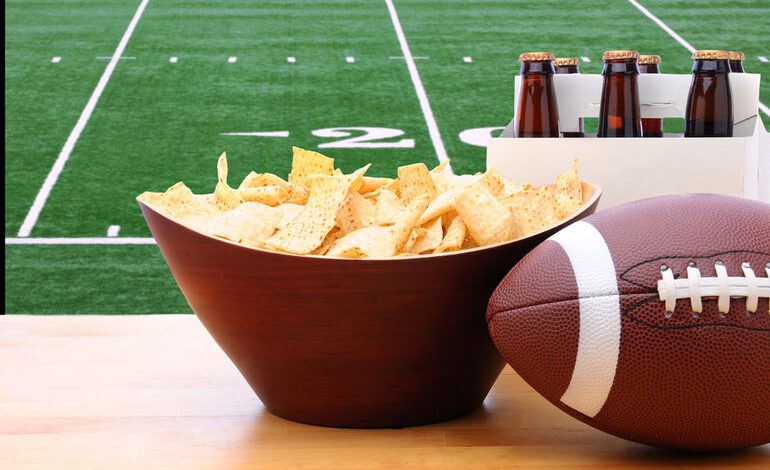
During Super Bowl weekends, retailers report unprecedented beer sales, typically days before the game. Parties, tailgates, and viewing are stocked sales to consumers. High-volume throughput draft systems in bars are reconfigured. The environment is designed to be consumed and celebrated, supporting beer as the drink of choice for watching sports together.
At the same time, sportsbooks experience both an increase in the number of wagers and the growth of registered accounts. The Super Bowl serves as a gateway to annual onboarding, attracting first-time bettors driven by cultural momentum rather than long-term strategy.
The Data Behind the Surge
Economically, the convergence is impressive. The sales of beer are usually higher during big sporting events, and the Super Bowl is in a different league. It is consistently one of the largest one-day beer-drinking events in the United States. Wholesalers are stocking inventory several months in advance and arranging distribution to avoid shortages.
The betting side of the Super Bowl is often the year’s single-event betting handle. This involves conventional betting, prop betting, and in-game betting. This trend has been amplified by the growth of mobile betting, which allows users to place wagers immediately without leaving their couches or barstools.
Moreover, the financial feedback mechanism is potent. Since viewers can socialize, the consumption of alcohol goes up, which may boost engagement and impulsivity. The more the engagement, the more the participation in betting. Meanwhile, betting is promoted through sportsbook advertising during pre-game coverage, making it part of the event culture, much like food and beverage.
Marketing Synergy and Brand Strategy
The goal of beer brands and betting platforms on Super Bowl Sunday is similar: attention. The two industries spend heavily on broadcast advertising. There is a high production of commercials, celebrity endorsements, and social media campaigns that strive to dominate culture.
Beer advertisements typically emphasize humor, friendship, and common experiences. Sportsbooks focus on excitement, bonuses, and the thrill of prediction. Both of them are emotional and immediate, though in different tones. The target markets are very similar, particularly among adult sports enthusiasts who view the game as entertainment rather than a competitive sport.
This strategic congruence makes the Super Bowl a marketplace where leisure industries enhance one another. The social environment created by drinking beer benefits betting platforms. Beer brands benefit from long viewing periods through betting activities.
Behavioral Economics at Play
On the side of behavior, the association between betting and beer is not unintentional. Drinking may reduce inhibitions and risk tolerance, and the Super Bowl’s stressful environment can increase risk-taking. All of these together provide a fertile environment for economic activity.
It is all about the psychology of anticipation. Every drive, turnover, or big play is a moment of increased emotion. To the punters, these are moments that have financial repercussions. Beer brands promote celebratory or commiserative drinking. The outcome is a wave and a low wave that propel both industries throughout the broadcast.
Notably, the experience is smooth for consumers. They are not deliberately pursuing economic convergence. They are watching a match, drinking and having friendly bets. However, in the background, these interactions generate billions in joint earnings.
The Expanding Economic Ecosystem
With the proliferation of sports betting and the diversification of the consumer market through craft beer, the economic tempest is only getting stronger. Local breweries have viewing parties where sportsbook promotions are incorporated. The digital platforms run targeted ads that align betting bonuses with game-day traditions. Even grocery stores set up promotional stands where beer will be placed alongside snacks and promotional betting offers.
The Super Bowl is no longer a title match; it is an economic stimulus every year. Beer sales and betting income increase simultaneously, driven by cultural similarities across rituals and advanced marketing. The storm is not accidental. It is crafted over years of branding, technology change, and understanding of behavior.
After all, the Super Bowl is the unique event in which entertainment, commerce, and community are combined on a scale of the highest intensity. The yells can ring when the touchdowns are scored, but the ripple effect of the economy is way past the end of the whistle.