

How AI Is Transforming The Green Industry
The world cannabis market has reached the information age, evolving from a small subculture into a controlled, multi-billion-dollar market. With the proliferation of legalization throughout the continents, the competition drives the cannabis brands to consider differentiation not by the strains and potency alone, but by the technology of precision. Artificial intelligence (AI), once the prerogative of research laboratories, is now at the core of this change, with AI-optimized cultivation, personalized THC gummy recipes, machine learning, and data analytics all destroying the traditional approach to growing, processing, and consuming cannabis. Other flavor-centered markets, such as bee, have not been left out as this wave of innovation has seen producers interested in smart systems that can tweak consistency, fuel creativity, and improve consumer experience.
One of the most rapidly developing product lines is the THC gummies, which are well-loved due to their regularity and shape, discretion of use, and dosage control. By 2030, the market of cannabis edibles will amount to more than 25 billion dollars, and gummies will dominate the market. AI is essential in enhancing the quality, safety, formulation, and precision of their product in marketing.
Intelligent Growing For Consistent Ingredients
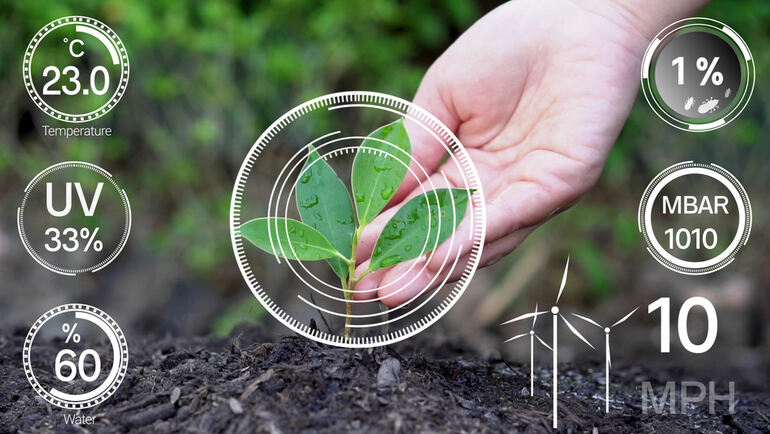
The active compounds of a THC gummy, such as tetrahydrocannabinol (THC) and other cannabinoids, have to be grown to be extraordinarily consistent before making it to the shelf. AI-based cultivation systems, including Grownetics, Motorleaf and Agrify, employ real-time sensor networks and predictive analytics to manage and regulate all variables, including temperature, humidity, exposure to light, and nutrient delivery. Such AI systems continually develop and utilize information on crop performance to predict the optimal growing conditions for specific strains involved in edible production.
Indicatively, some cultivars with a high concentration of THC have more uniform cannabinoid concentrations when cultivated using particular microclimates. AI tools detect these environmental sweet spots, which will maintain a consistent potency between batches, which are necessary to control dose levels in THC gummies. Computer vision is another intelligence application whereby cameras and machine learning algorithms can identify the first indications of a disease, a lack of nutrients, or even the presence of a pest much earlier than the naked eye.
This reduces wastage of crops, increases predictability of yields, and elimination the use of pesticides. The producers in the other artisanal sectors, including the beer sector, are also finding this attractive strategy as they continue to gain more interest in cleaner inputs, ingredient visibility, and technology oriented at quality. To briefly put it, AI can help the cannabis supply chain to start with an even smarter, more sustainable cultivation, which will become the basis of precision-formulated THC-edibles, not to mention the increasing significance of sustainability in brewing and other craft-oriented sectors.
Data-Driven Extraction And Product Formulation
The real difference of AI in the market of THC gummies is the formulation. Individual gummies require a specific amount of cannabinoid, a proportion of flavors, and a consistent texture, which are dependent on complex chemistry. AI-enhanced extraction platforms optimize solvent ratios, temperatures, and pressure by utilizing machine learning algorithms and achieving peak THC purity while preserving flavor and terpenes. Several companies, such as Front Range Biosciences and Fluence Analytics, utilize data science in chemical profiling, which ensures the quality of extraction remains consistent across batches.
After cannabinoids are extracted, AI tools help product developers to formulate the best gummies. Simple interactive data modeling enables analytical tools, such as those used in pharmaceutical R&D, to model interactions between emulsifiers, pH levels, and flavor compounds over time. This predictive modeling will reduce the trial-and-error aspect of designing gummies that are more likely to have a longer shelf life, better texture, and more attractive flavors. AI also analyzes consumer feedback loops.
Other websites, including Strainprin, gather anonymized data on effectiveness and satisfaction rates that help inform which ratios of cannabinoids or flavor profiles appeal most to various demographics. Such a data-driven taste and experience system is motivating other artisanal markets, such as beer, where brewers are starting to test AI-based recipe optimization, consumer taste analytics.
AI and Supply Chain Automation
The AI has turned into the logistical nervous system, which supports the whole ecosystem of seed-to-sale. Machine learning algorithms can also be used to simplify inventory projections and production planning of manufacturers of THC gummies through historical sales data, seasonality, and local consumer trends to determine what formulations to produce in certain markets and which ones will be most effective.
AI-based blockchain solutions, including IBM Food Trust pilots and cannabis-focused apps like Lucid Green, can be used to offer complete traceability, i.e., each THC gummy can be traced back to the batch it has been grown, the date when it was extracted, and its certifications, which are essential aspects of regulatory trust.
Automation extends even further into packaging and labeling, where AI-controlled robots utilize their capabilities to perform tasks that require absolute precision. Intelligent vision systems, in turn, verify labels on all doses to prevent costly compliance failures. These developments reflect a broader shift in consumer products, prompting beer makers to focus on enhancing their own quality control and ingredient disclosure through smarter, technology-based processes.
Regulatory Compliance
The process of regulating cannabis is infamously complicated, as the strengths of different THC concentrations, labeling, and testing policies vary across jurisdictions. Compliance software developed through AI helps THC gummy producers stay up-to-date with these evolving mandates. Simplifya and Akerna, among others, are platforms that rely on natural language processing (NLP) and search through new legislation and identify changes specific to each product line or jurisdiction. If one state changes its edible packaging or childproofing standards, the system will automatically notify manufacturers and propose changes to keep in compliance.
There is also the possibility of using AI to help in real-time auditing. Through cross-referencing laboratory, production, and point-of-sale data, compliance algorithms are used to ensure that each batch of gummies is pure and potent. This automation saves time on paperwork and reduces the risk of heavy fines. Expectantly, in the future, AI will be directly connected to government databases, allowing compliance to be checked dynamically, and all batches of THC gummies to be checked every time, even before they reach the final consumers.
Personalization And Retail Experience
In the case of retailers, AI is used to convert raw transaction data into valuable data. Headset and Springbig are platforms where predictive analytics are applied to analyze purchasing behavior and customize suggestions to dispensary shoppers. You stroll into a dispensary and an AI-guided recommendation comes your way: a THC gummy in an optimal proportion of CBD to post-workout recovery, depending on what you bought previously and what wellness outcomes you want to achieve.
Such a form of personalization is similar to that of consumers who already have a digital retail experience, applied to the cannabis industry. The AI chatbots and virtual budtenders will have the capability of helping the customers select strains, plan dosage, and use the products safely in real-time. To new consumers who might be uncertain about the delayed effects of edibles or the altering effects, such close support creates a sense of confidence in their decision-making, solidifies their knowledge, and provides a sense of clarity on the whole.
The retailers also gain: AI takes control of stock rotation, optimizes prices, and predicts demand spikes. Predictive systems will inform producers to increase output on gummies during major events or holiday weekends, before the lack of stock occurs, and overstocking happens. Such innovations also prompted the breweries to consider the instruments that optimize shopper direction and precision of releases.
Challenges And Ethical Considerations
Although AI is an opportunity that can transform, its implementation in cannabis, particularly in the production of edibles containing THC, is faced with significant challenges.
- Data Privacy: AI systems utilize a lot of sensitive information, such as consumer preferences and purchase history. Corporations should make sure they follow privacy regulations, including GDPR and CC, PA, and anonymize information where feasible.
- Cost and Infrastructure: Minor cannabis companies might be unable to meet the prices of sensors, cloud computing, and qualified teams to implement sophisticated AI-based computing. The access to AI in a democratized way, either via common data platforms or industry collaborations, will be critical for fair innovation.
- Regulatory Fragmentation: The jurisdiction has its own regulations about the cannabis processing, testing, and labeling. It is still a challenge to train global AI models that are capable of being adjusted to local compliance requirements.
- Ethical Management: AI decision-making processes, particularly in dosing and consumer guidance, would need to be visible and traceable. The automation that is not checked by a human might result in biased or unsafe results.
The Next Decade Of AI-Driven Cannabis And Edibles
In the future, it is likely that, within the market of cannabis and THC gummies, the presence of AI will become more sophisticated and larger. Fifty years down the line, several trends will change the face of the industry:
- Independent Production: AI-controlled robotics in smart factories have the potential to complete all processes, including the extraction of the cannabinoids, the production of the gummies, and packaging,, ng without much human oversight.
- Precision Dosing and Nano-Formulation: AI models developed based on pharmacokinetic data (absorption and metabolism of cannabinoids by the body) will be used to enable engineers to develop nano-emulsified THC gummies that act faster and more predictably. Other crafted consumables are already following suit with such developments in micro-formulation, with beer being among the categories that producers are investigating smart emulsification devices to polish mouthfeel and stability in current beverage lines.
- AI-Enhanced R&D: Advanced modeling will allow researchers to simulate hypothetical cannabinoid combinations in the digital world and then proceed to actual testing before the process, which will speed up the discovery of new formulations specific to the therapeutic effects. Beverage makers are also taking that same mindset of experimentation and observing how simulated intelligence might be applied to help develop flavors and eliminate expensive trials in craft brews.
- Predictive Consumer Analytics: Multi-source data, such as weather, social media sentiment, and health trends, will assist the retailers and manufacturers to predict the demand of mood-or activity-specific gummies. The emergence of this knowledge-based model is prompting numerous beverage manufacturers to analyze their own market indicators with a higher degree of accuracy, applying AI in the process of more accurately matching seasonal offerings, limited editions, and lifestyle-oriented products to the expectations of the consumer.
- Global Standardization: AI can also assist regulators to create a more unified market worldwide by analyzing massive data on potency, safety, and efficacy, setting the stage for a more homogenous international market.
Essentially, the AI will become the core of the cannabis and THC gummies ecosystem instead of a support service, which will influence the way products are imagined, experimented upon, circulated, and consumed.
AI And The Future Of THC Gummies
The cannabis industry is being redefined not in a hyped manner, but in a measurably enhanced way, with best yields, automated compliance, and data-driven product innovation. This is particularly radical in the field of THC gummies. What began as an artisan edible niche has become a product line that is scientifically engineered by intelligent algorithms.
It leads to a future with all THC gummies being consistent, traceable, personalized, and safe- an example of the way digital intelligence and natural science can both come to pass. With the further development of AI, it will not only change the experience of growing or selling cannabis products but also determine how customers will approach the use of cannabis products in more personalized ways. Other craft-based markets, such as beer, are also being inspired by this wave of innovation, with producers continuing to experiment with smarter ways to achieve greater consistency in flavor, ingredient disclosure, and the overall consumer experience.