

9 Brewery Equipment Upgrades that Boost Quality
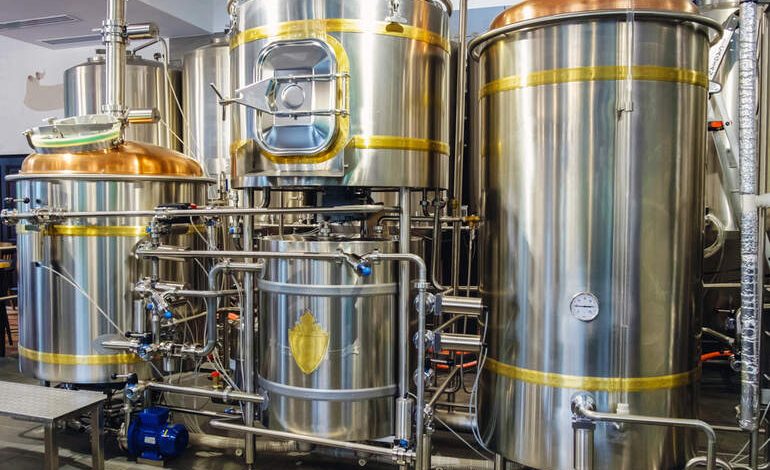
There is nothing that can be described as a silver bullet in improving quality in brewing. These manifest as stricter regulation, more refined operation, and wiser brewery checks throughout the brewhouse and the cellar. The following upgrades are based on realistic equipment investments that established brewers use to ensure no changes in flavor, increase shelf life, and enhance consistency between batches. Through a beer-centric arrangement, the consistency in the brew-day stage all the way down to the packaging stage is softly created through such refinements so that every release can continue its intended pour. They are not about reinventing the process, but about tightening control where small technical gains translate into cleaner profiles, fewer losses, and beers that hold up well beyond the tank.
1. Dissolved Oxygen Meter
Dissolved oxygen control separates good beer from beer that ages poorly. A reliable DO meter gives brewers real numbers during transfers, packaging, and tank purging. That clarity helps identify small oxygen pickups that quietly flatten aroma and shorten shelf life. Benefits typically include more stable hop character, longer packaged freshness, clearer troubleshooting during cellar work, and stronger confidence when scaling production. Entry-level handheld meters often start around five figures, with advanced inline options moving higher depending on sensors and software. For breweries evaluating payment options, understanding how equipment financing works can clarify paths to spread costs over time.
2. Centrifuge
Centrifuges continue to gain ground as flexible clarification tools. They reduce tank residency time, limit beer loss, and support faster turnaround without sacrificing stability. Many brewers use them alongside traditional filtration or as a standalone solution.
Quality benefits include:
- Improved clarity and consistency.
- Tighter control over yeast carryover.
- Reduced oxidation risk during transfers.
- Faster recovery between batches.
- Improved flavor stability during extended cold storage.
- Less beer loss is tied to trub and yeast removal.
Compact centrifuges often land in the low six-figure range, while higher capacity units scale upward based on throughput.
3. Reverse Osmosis Water System
Water chemistry shapes every recipe. An RO system gives brewers a clean baseline to rebuild profiles with precision instead of chasing municipal variability. That consistency matters across seasonal shifts and production growth. Breweries report improved mash efficiency, cleaner fermentation profiles, more predictable hop expression, and fewer off-flavor surprises. Systems range from modest skid setups to full room installs, with pricing commonly spanning from tens of thousands to more robust six-figure investments.
4. Glycol Chiller Capacity Upgrade
Temperature control touches every stage of fermentation and conditioning. As breweries add tanks or increase batch frequency, undersized chillers quietly strain quality. An upgraded glycol system stabilizes fermentation curves and reduces stress on yeast. Expected gains include more consistent attenuation, reduced ester variability, tighter crash cooling, and fewer emergency interventions during heat spikes. Costs vary widely based on tonnage, redundancy, and insulation improvements, often starting in the mid-five figures.
5. Canning Line with Quality Assurance Tools
Packaging is where great beer can stumble. Modern canning lines paired with inline seam inspection, purge verification, and dissolved oxygen checks protect flavor through distribution. Brewers see stronger shelf life, fewer returns, clearer packaging data, and more confidence entering wider markets. Smaller semi-automated lines can begin under six figures, while fully automated systems with QA add-ons climb quickly.
6. Dedicated CIP Cart
Cleaning in place should feel routine, not rushed. A dedicated CIP cart standardizes cleaning cycles and reduces human error across tanks, heat exchangers, and transfer lines.
Quality benefits include:
- Improved sanitation consistency.
- Lower infection risk.
- Repeatable chemical contact times.
- Clearer documentation for audits.
Compact carts often fall within an accessible capital range for growing breweries and scale upward with automation and recovery features.
7. Automated Keg Washer
Draft quality depends on clean cooperage. Manual or aging washers can introduce inconsistency that shows up in foam stability and flavor. Modern keg washers raise reliability while saving labor, and many of the same principles mirror what brewers look for in essential homebrew equipment, where repeatability matters. Improvements usually include consistent purge cycles, verified rinse temperatures, reduced chemical waste, and faster throughput during busy turns. Pricing depends on single versus multi-head configurations, with many systems positioned as mid-range capital upgrades.
8. Steam System Improvements
Brewhouse steam performance influences mash temperature accuracy, boil vigor, and energy use. Upgrading steam traps, insulation, or boiler controls tightens process control without changing recipes.
Brewers often notice:
- Steadier boil profiles.
- Fewer caramelization swings.
- Improved energy efficiency.
- Safer working conditions.
- More consistent evaporation rates from brew to brew.
- Reduced maintenance surprises tied to aging steam components.
Costs can stay moderate when focused on targeted improvements rather than full boiler replacement.
9. Small In-House Lab Kit
Lab work does not require a full laboratory to make an impact. A focused kit covering cell counts, forced diacetyl tests, gravity verification, and basic microbiology supports smarter decisions every week. Quality gains include earlier fermentation corrections, cleaner flavor profiles, reduced batch losses, and stronger team confidence. Starter lab setups remain approachable and scale easily as production grows.
Choosing the Right Upgrade Path
Each brewery faces different constraints around space, staffing, and growth goals. Successful equipment upgrades usually share a few traits. They address recurring quality pain points that show up across batches, integrate cleanly into established brewhouse and cellar routines, and support long-term production goals instead of chasing quick fixes. That alignment also strengthens brewery marketing, because consistency, timing, and process discipline directly shape how reliably each release meets expectations from fermenter to final pour.